RGM
Ronnie Gardiner Method
multi-sensory
method for the brain
Rythm
Flow
Music
Movement
+
Where did it Start?
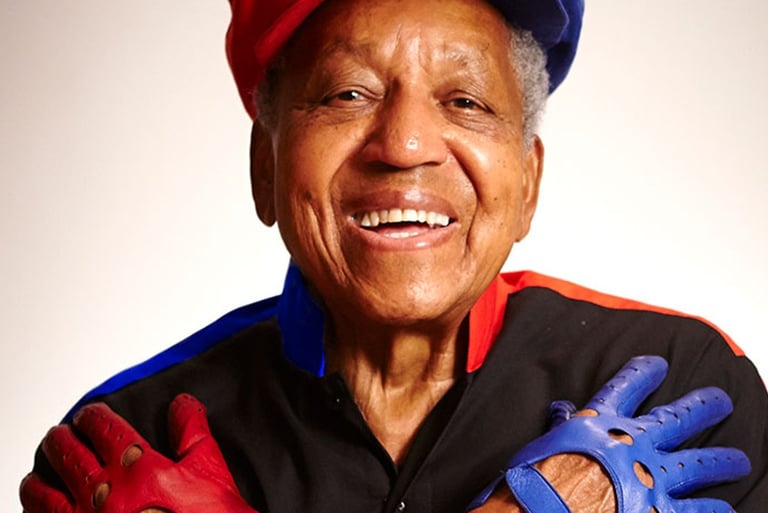
The method has an amazing movie-like origin story. It was developed by Ronnie Gardiner, an energetic, charismatic and extremely talented jazz drummer.
In 1980s, after a life turning tragic event he turned his talent to helping others.
Over the next 13 years, he developed his method with experts in neuroscience. It was then first introduced into Sweden healthcare in 1993. And has been successfully implemented in neurorehabilitation across many countries, including the USA, England, Israel, the Netherlands, and New Zealand.
RGM?
The Ronnie Gardiner Method, an innovative, music-based intervention designed to stimulate the brain and body simultaneously. Basically, think of it as a fun full-body workout for your mind. Like lifting weights but for your brain! Using rhythm, music, movement, and speech to get those sensory and cognitive functions moving together.
Don't be fooled, it's not just listening to music and tapping your foot to the beat. You're actively translating visual symbols into coordinated clapping, stamping, and vocal sounds, all synced to energizing, beat-based music.
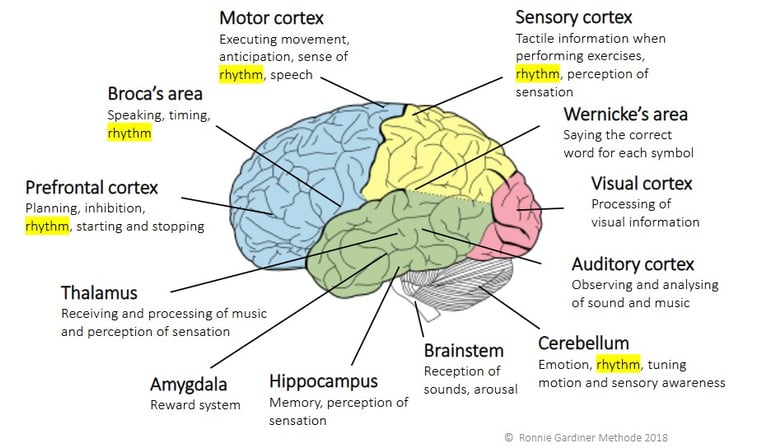
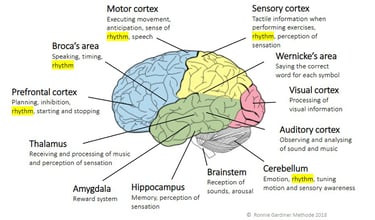
This process activates multiple brain regions all at once, leveraging the brain's natural ability to reorganize and form new connections, you may have heard of this as neuroplasticity.
How Does it Work?
RGM is a multi-sensory experience, which is the secret to its effectiveness. How?
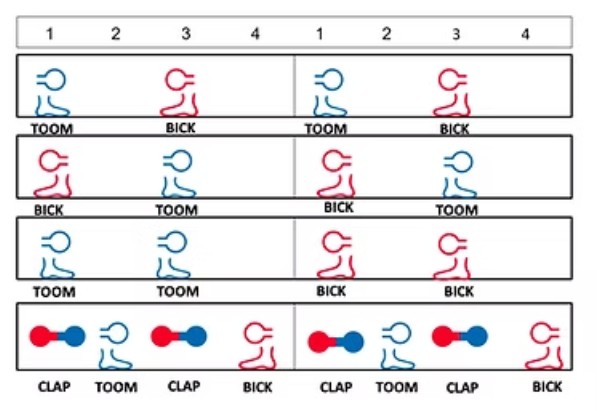
The Visual Cue: "choreoscore"—a sequence of colorful symbols. A blue symbol means "right," a red symbol means "left".
The Action: When you see a symbol, you perform a specific movement (like tapping your knee or stamping your foot).
The Vocalization: While moving, you also speak the name of the symbol out loud.
This combination of seeing, moving, and speaking to a steady musical beat forces the brain to work in a highly integrated way. It’s a cognitive-motor dual-task training that improves everything from concentration and coordination to working memory and my ultimate favourite balance! The exercises can be done standing or sitting, making it very adaptable to you!
Who Should Give it a Go?
One of the best things about RGM is its amazingly broad appeal. It was originally developed for people with brain injuries, but it has since been shown to benefit a wide range of people .
Neurological Rehabilitation: It is most widely used to help people with Parkinson’s disease, stroke, Multiple Sclerosis (MS), and dementia. Studies on stroke recovery, with early results showing improvements in balance, mobility, and cognitive function .
Mental and Emotional Well-being: It has been used effectively for people with burnout, stress, and depression.
Learning and Development: The method has been successfully introduced in schools to help children with ADHD, dyslexia, and other learning or concentration difficulties.
Healthy Ageing: Even for those without any specific condition, it’s a brilliant way for older adults to maintain cognitive and motor health in a fun way!
What to Expect?
If you attend an RGM session, here’s what a typical experience looks like:
A Fun Atmosphere: This is not a somber therapy session. It's energetic, rhythmic, and often described as "fun" and "addictive".
Gradual Progression: You won't be thrown in the deep end. The exercises build up slowly, starting with basic movements and gradually increasing tempo and complexity as you improve.
A Full Mind-Body Workout: You can expect to leave feeling mentally stimulated and physically engaged. Your coordination, balance, and concentration will be gently but thoroughly challenged.
Want to Know More?